Photo by Curated Lifestyle on Unsplash
Fear of backlash is holding good organizations back from exploring fresh ideas
Branding in 2026 feels less like a strategic exercise and more like sneaking back into the house after curfew.
You move slowly and quietly, avoiding the side of the staircase that creaks, and even when you do everything right, one small misstep—you accidentally bump a lamp or kick the dog’s toy into the wall because it’s so dark—and the lights flip on.
You suddenly freeze and brace for impending doom. That’s the same environment that brands are operating in right now.
Rebrands are judged quickly and definitively, and early reactions are mistaken for long-term evaluation. The loudest voices show up first and nuance rarely makes it past the door.
This is what branding in a hostile environment looks like. The fear of backlash doesn’t just shape how brands create, it shapes whether or not they create in the first place.
Fresh ideas are diluted. Brands lack confidence in themselves. Out of caution, they don’t take risks.
The cost of being misunderstood or criticized feels higher than the cost of being forgettable.
Why things are so hostile
Rebrands don’t happen overnight. They are the result of months of strategic work. Yet when they’re unveiled, they’re dropped into a mosh pit of instant brand experts.
Much of the noise is coming from non-designers. And the designers that are contributing to the noise aren’t thinking from a systems perspective. Branding isn’t infrastructure to them.
Design functions as a system
Many believe that design is art, that it’s purely visual. But design, and especially branding, is inherently strategic first, visual second.
Take a marketing campaign. It isn’t just a set of ads. It’s built from a goal, an audience, a multi-channel strategy, and the creative assets that bring it to life.
A brand is composed of positioning, messaging, voice and tone, a logo suite, typography, a color palette, and many other elements working together.
These are systems that operate with many moving parts, but they aren’t being evaluated by the strategy or the parts that make them whole; they’re only being evaluated by the visual exterior.
Reaction v. Evaluation
There’s the old phrase: don’t judge a book by its cover.
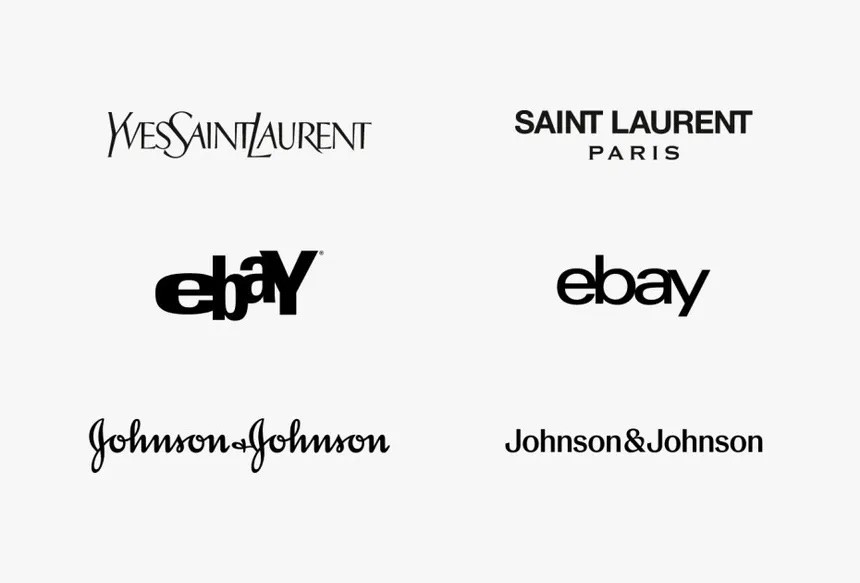
Of course, good strategy doesn’t excuse poor design. But judging an entire brand system from a single logo image misses the point just as much.
What we’re seeing today is reaction, not evaluation. Reaction is immediate, emotional, and identity-driven. Evaluation is patient, contextual, and system-aware.
What backlash actually measures
I’m always puzzled when I see LinkedIn posts revisiting a recent rebrand a few months later and presenting it as a lesson in “knowing your audience.” That interpretation misses the point entirely.
The backlash many rebrands receive, sometimes escalating into full cultural or political flashpoints, isn’t really measuring effectiveness. What it’s measuring is surprise, loss aversion, and the disruption of familiarity. Those are natural human responses to change, but they’re not strategic evaluations of whether a brand system actually works.
“This logo is a failed copy-paste design that is utterly bereft of depth, meaning, or anything to “associate with.” It is executed so sophomorically, it looks worse than AI.”
LinkedIn user reacting to the University of Rochester’s rebrand in 2025
“I don’t even use Instagram, and I’m actually irritated by the change. The old icon seemed, well, iconic. This new one seems like an uninspired oversimplification.”
Reddit user reacting to Instagram’s rebrand in 2016
“My God. What the fuck.”
Reddit user reacting to Pepsi’s rebrand in 2023
“I mean, now it just looks like the death star’s targeting system from ep4 or the Japanese flag with a printing error.”
Reddit user reacting to Mastercard’s rebrand in 2016
What’s really at stake?
People hate change, but change is inevitable. You see the issue? Strong brands have always attracted criticism at some point because change disrupts familiarity.
The danger is how leadership responds initial reactions. When leaders mistake early criticism for strategic failure, their response is often a quick retreat.
The Gap rolled back their 2010 rebrand in 6 days. Cracker Barrel rolled back their 2025 rebrand in 7 days.
What began as a clear, confident new direction dissipates into the previous brand identity they intended to leave behind. This is how brand systems become diluted.
Instead of giving the work time to prove itself and gain familiarity, leaders negotiate with the loudest voices on the internet. Over time, the resulting brand isn’t a stronger one; it’s a weaker one.
This is not about designer ego or about creative preference. It’s entirely about leadership nerve. Rebranding is supposed to be strategic first, aesthetic second.
A rebrand represents a strategic decision about where an organization is headed. If that decision collapses at the first sign of discomfort, it signals that aesthetics were never the problem.
How we change it
The always-on environment isn’t going away. If anything, it will only amplify the speed and intensity of reaction.
So the goal isn’t to eliminate backlash. It’s to understand it.
Brands need the confidence to distinguish between reaction and evaluation, and to give their brand systems time to establish new familiarity. They stand behind the strategy that led them there.
At the same time, the industry has work to do. Brand literacy still lags far behind the visibility of brand work. Logos are dissected instantly, but the systems behind them are rarely discussed with the same depth.
That’s part of why I started Built On Brand. The goal is simple: create a space where branding conversations are grounded in strategy, perspective, and the long-term thinking that real brand building requires.
Because if we want a less hostile environment for branding, the answer isn’t less ambition. It’s better understanding.
More Articles
A collection of recent articles spanning brand strategy and positioning, brand design, and more.