Photo by Hannah Fleming-Hlll on Unsplash
Two years ago I had an idea for a dog toy brand.
My golden retriever won’t touch the super tough, indestructible toys. They last forever, but they’re joyless.
I wanted to blend plush and durability to create toys that dogs actually want to play with and that wouldn’t be destroyed in minutes.
That idea should’ve stayed small for much longer than it did.
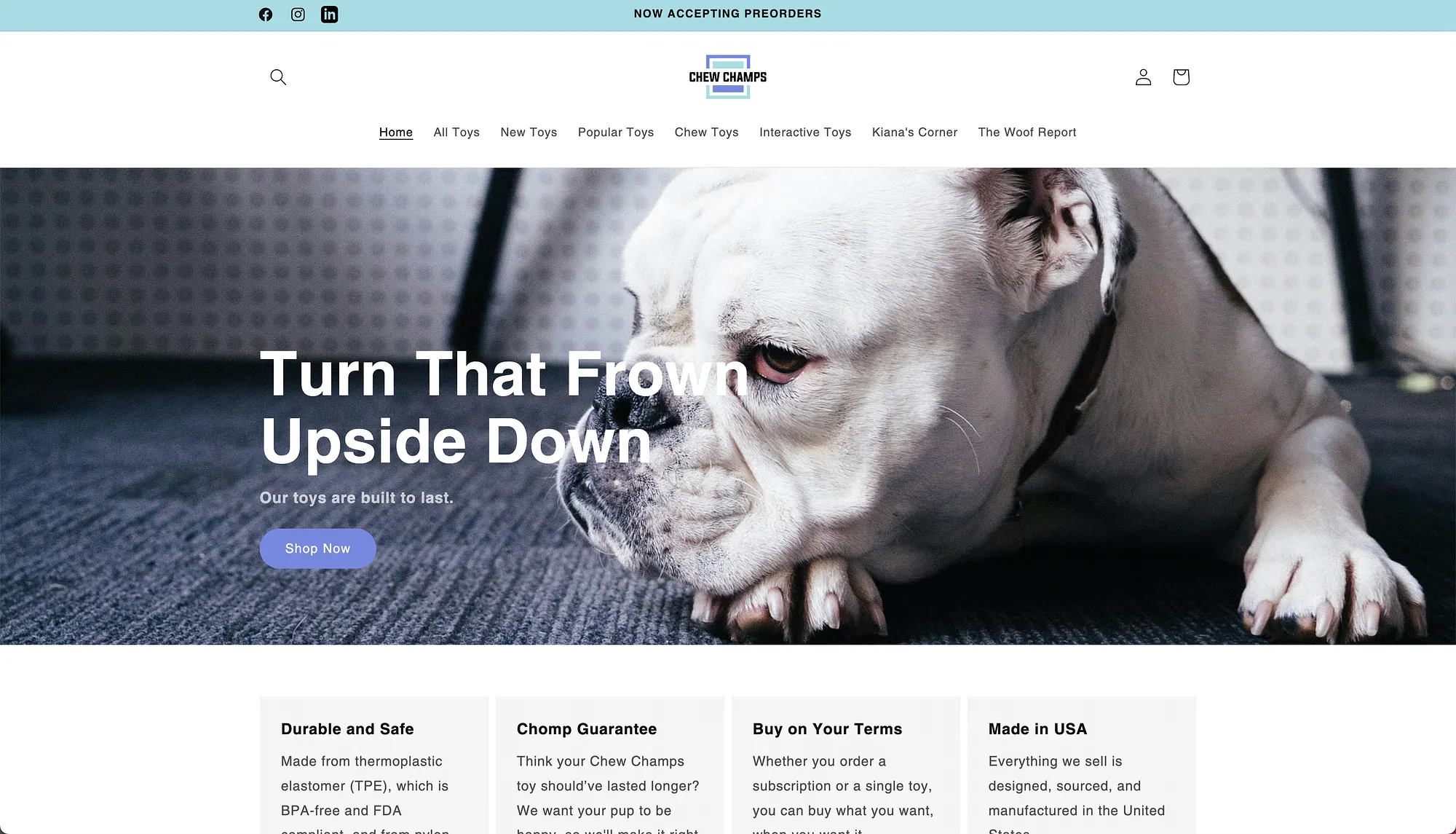
Instead, after a few weeks, I had designed what looked like a full Fortune 500 company. A name. A logo. A color palette. Typography. Packaging. Social media. Campaign ideas. Mockups of the toys themselves.
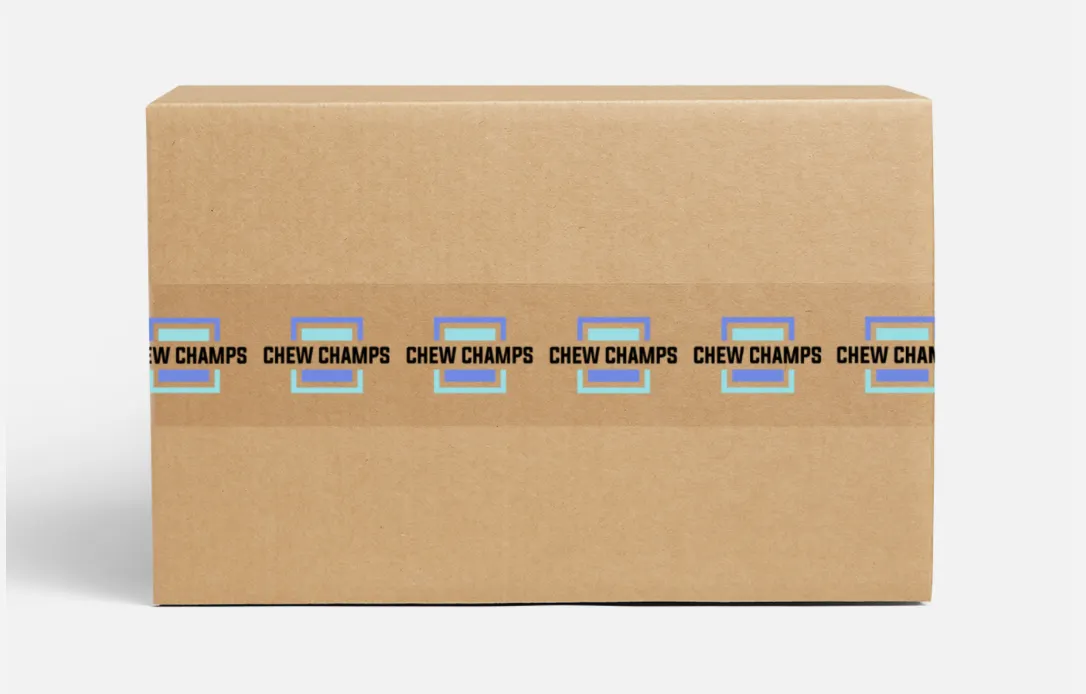
I had branded boxes, packing tape, tissue paper, and stickers stacked in my sunroom. It looked real. It felt complete.
It wasn’t.
The designer trap
As designers, we’re wired to make things. We love to create and to build. We thrive on logos and color palettes.
That’s the trap I fell into. Instead of slowing down, I sprinted towards execution, staring at my laptop 16 hours a day, barely stopping to eat, sleep, or pee.
We all know this scene:

Unfortunately, modern tools reward this behavior.
I love Envato Elements. I love Figma. I love Affinity. These modern design tools are incredible.
It’s never been easier to go from an idea to a brand in a week. You’re able to make something look real long before it actually is.
Speed ≠ conviction. Going fast simply means you made quick decisions.
I didn’t move fast because the brand was clear; I moved fast because I was excited, and I wanted to create something.
The mockups looked cool.
Why fast branding is so seductive
Branding fast feels really good. You get to skip all the awkward middle stuff and go straight from idea to finished product.
And the final product is the moment where the idea finally looks like something you’d be proud to share.
There’s a rush in seeing the concept fully formed—at least on the surface. It’s human nature to want that gratification. We celebrate launches, not patience.
A “finished” brand system can create the illusion of finality. The problem is beautiful doesn’t mean it’s ready.
The hidden cost of moving too fast
When everything is built all at once, nothing is tested in isolation. I had a full system, but no real proof that any one piece could stand on its own.
That made everything fragile. Change one assumption and the whole thing falls like a house of cards. The messaging was unclear and inconsistent, just whatever “felt right.” Visual decisions suddenly felt arbitrary.
What looked cohesive at first started to look amateur.
It was hard to move forward because every adjustment felt like moving a mountain. Slowing down later feels like backtracking and unraveling instead of thinking.
The irony is that speed created drag.
How to slow down
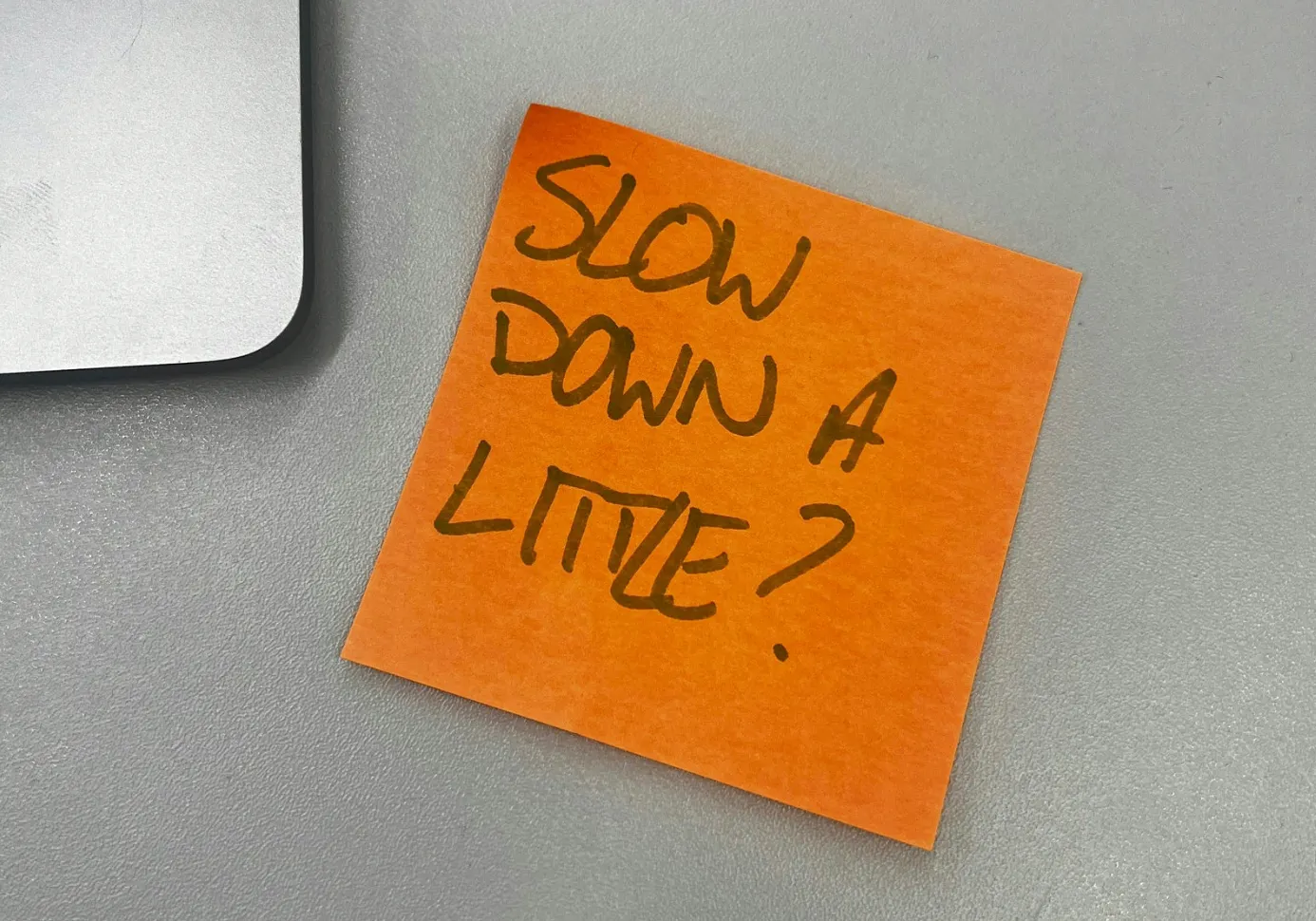
Slowing down doesn’t mean doing less work. It means doing less all at once. Ultimately, this comes down to designing less and thinking more.
I head to learn to resist the urge to build a full system before any single idea had earned its place, letting decisions stay temporary for longer before locking them in and moving on.
In practice, that looks like sequencing rather than stacking. So, the brand strategy comes before the core values. The messaging comes before the visuals. One core idea before five extensions. A name that can stand on its own before a logo that decorates it.
This kind of restraint is extremely hard.
The lesson I'm keeping
The fastest way to weaken a brand is to design everything before the idea has a chance to prove itself. And the slowest way to build something real is to rush toward the finished product just because it looks cool.
The key is to earn momentum rather than build it.
More Articles
A collection of recent articles spanning brand strategy and positioning, brand design, and more.