Framer’s Logo Mug
How Built-In Branding Builds Equity
You don’t notice it right away.
You’re working on a DIY home improvement project, pulling a Husky tape measure across a piece of wood before marking it to cut, and then it clicks.
The metal hook on the end of the tape measure isn’t just shaped conveniently, but it’s shaped like a Husky head. Not printed. Not engraved. Built into the tool.
That moment of realization is subtle, but powerful. Someone thought about this. Someone thought the brand shouldn’t just sit on the product; it should be the product.
This is the difference between branding that’s applied and branding that’s built in.
Most branding today lives on a surface. Logos and colors placed, guidelines followed once the decisions have already been made. Part of this is because many brands live digitally and they can get away with it.
But the strongest brands don’t stop at how they look; they take the extra step to integrate it into their products and how they interact with their audience.
When branding is built in rather than applied, you don’t discover it at launch. You discover it in use.
Applied v. Built-In Branding
Some brands apply their identity—their logo, colors and typography—to their products and services that already exist. Other brands build their identity into their products and services.
Applied branding is surface-level. The product comes first.
Built-in branding is the opposite. Identity informs how the product is built. The brand isn’t added to it afterwards. It’s embedded into it.
When you remove applied branding, the product still functions the exact same. If you remove built-in branding, something about the product feels off or it simply doesn’t work at all.
Built-In Branding Shows Up In Use
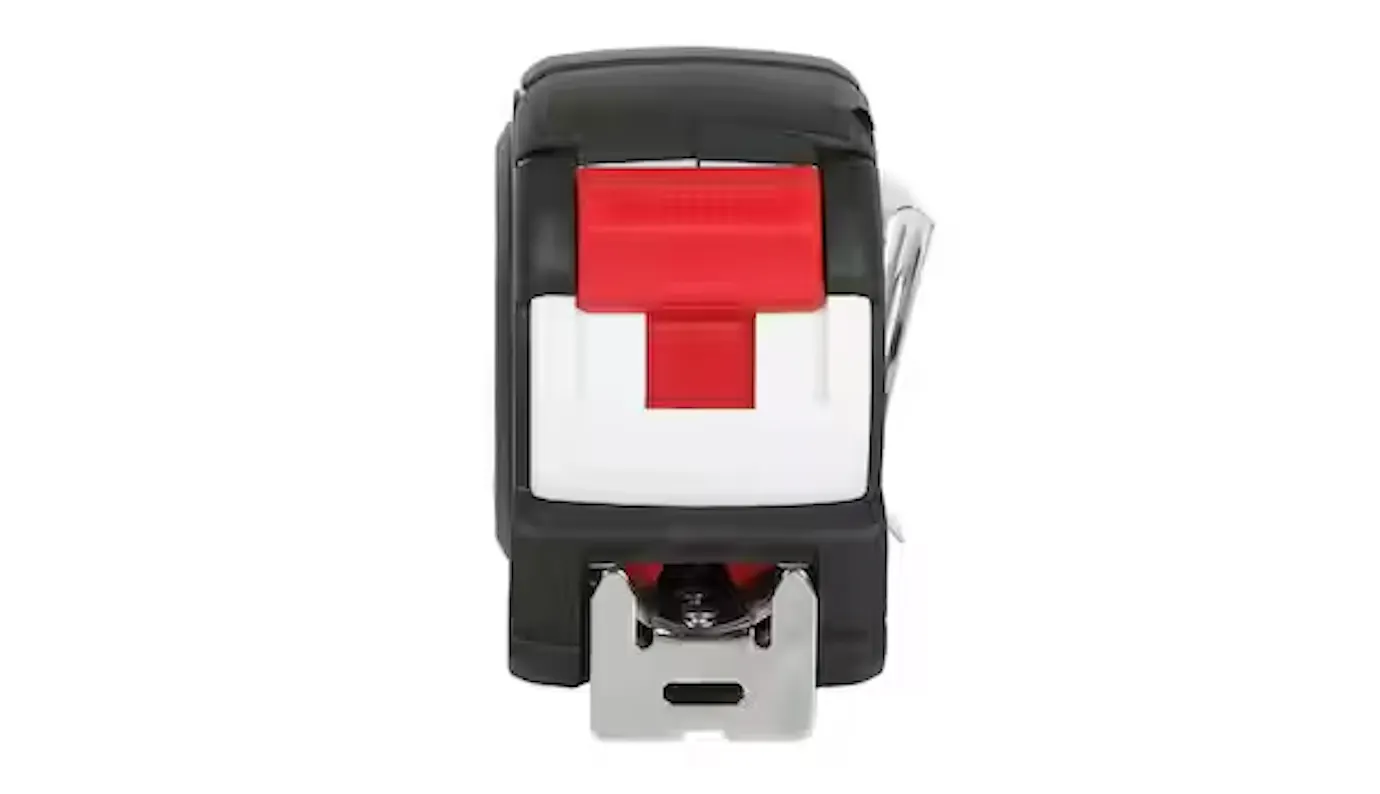
The Husky tape measure works because the brand reveals itself when it matters most.
The Husky head isn’t there to be noticed on a shelf. It shows up when the tool is under tension. When the hook catches the edge of a board. When the tape measure does the thing it was designed to do.
That’s not surface-level branding or simply slapping a logo on a product. That’s embedding identity in function.
When Husky made this tool they didn’t ask themselves how to decorate it so it aligns with their brand colors. They asked, “what should this tool feel like?” Tough. Dependable. Confident under pressure.
The brand isn’t trying to be seen; it’s trying to be experienced.
When branding only exists visually on a product, it forces itself to compete solely by grabbing and keeping attention. Brands have an opportunity to earn trust instead, when the brand is built into the object.
The funny thing is, someone might not notice this decision, but when it clicks, they have so much respect for the brand and a feeling that the product was crafted thoughtfully and with intention.
That’s how brand recognition gets built.
Digital Brands Can Build Identity In Too
It’s easy to assume this only applies to brands that build physical products, but don’t be fooled. The same principle applies to digital brands too.
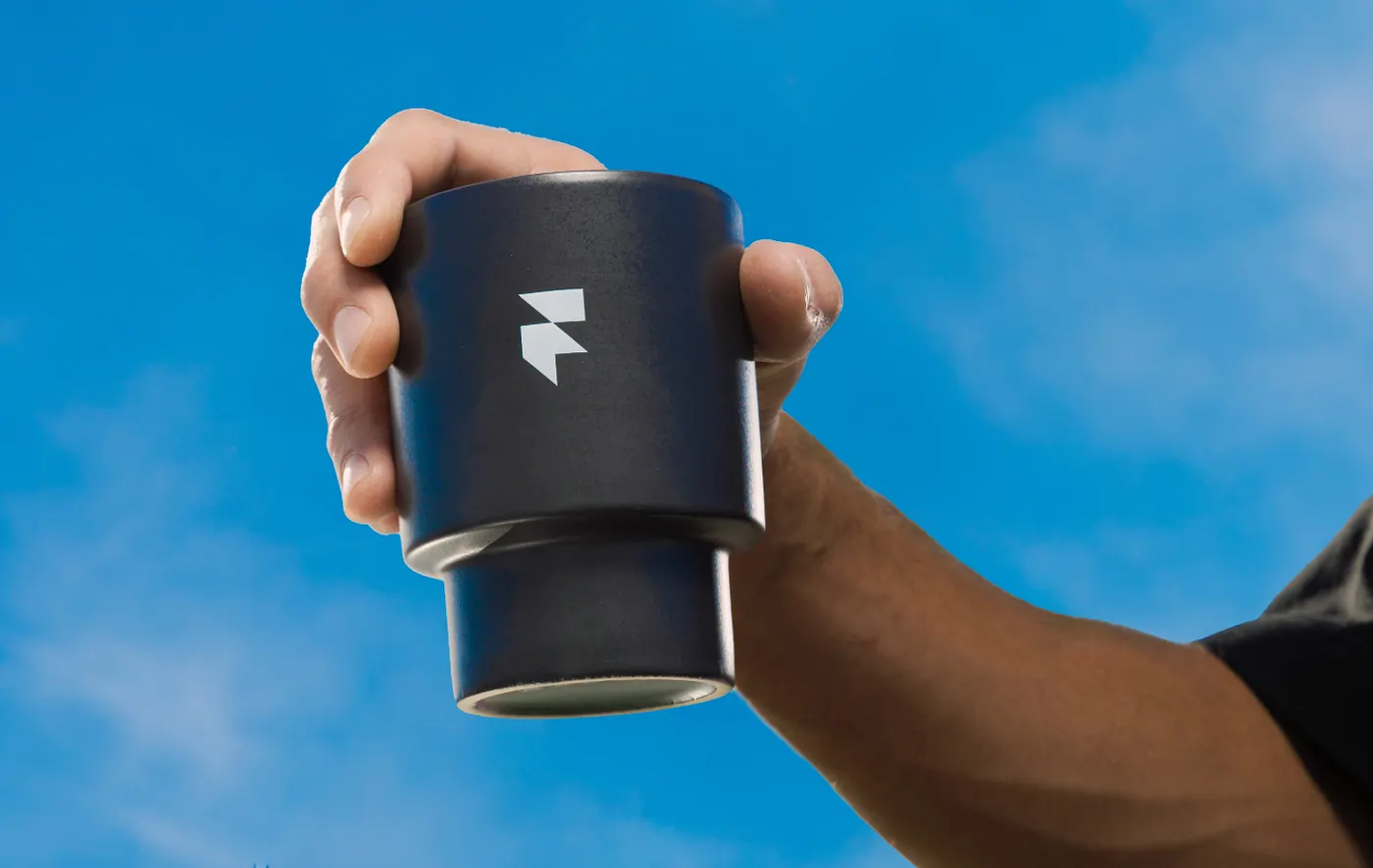
My favorite example of this is when Framer released a merch line at the end of 2025 including branded mugs. These easily could have been standard ceramic mugs with the Framer logo printed or engraved.
The mugs stack cleanly mirroring one of Framer’s core product features: stackable layouts. The same logic that users rely on to build websites is echoed in how this product behaves.
You’re not just holding brand merchandise; you’re holding a metaphor.
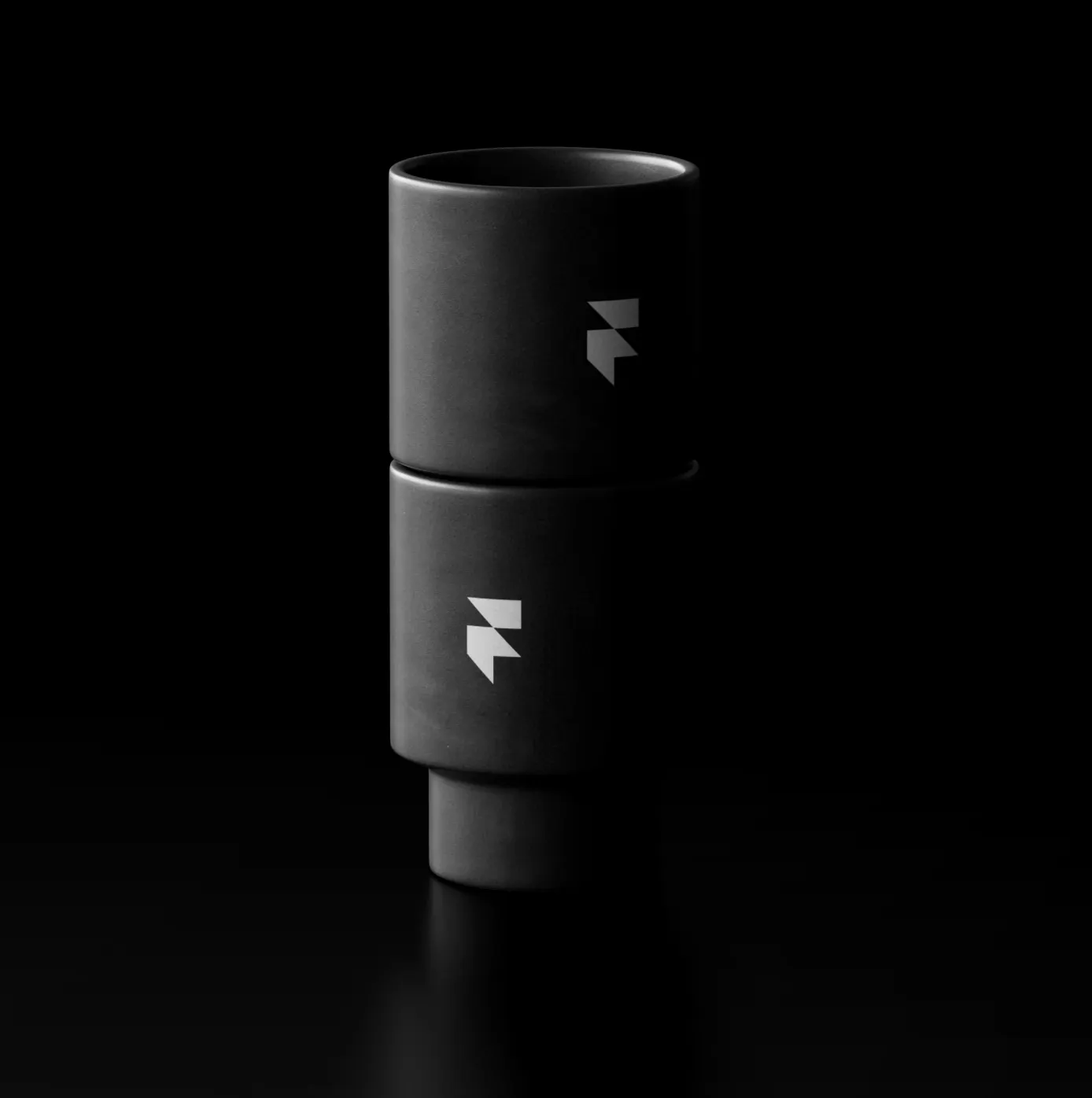
Even for digital brands, their identity doesn’t have to stop at the screen, and they can go much further than slapping their logo on a product.
What makes this especially powerful is the restraint. They don’t have to explain the reference.
If you use and understand the product, it makes sense, and even if you don’t, it still feels intentional. Either way, the brand delivers.
How Built-In Branding Builds Equity
Applied branding relies purely on visibility. You see it often enough and in enough places, and finally it becomes familiar. This works, but it takes repetition and reach.
On the contrary, built-in branding creates recognition through experience.
These moments don’t scream out for attention. The Husky hook, Framer’s stackable mugs, and so many more are small, intentional decisions that signal how deeply a brand understands itself.
Brands’ self awareness does a few things:
Builds trust (it feels competent, thoughtful, and worth coming back to)
Creates loyalty without performance (there’s no need to explain how or why they’re being clever)
Makes the brand harder to copy
This is how brand equity builds and compounds: by allowing customers to discover built-in branding on their own and to experience it in meaningful ways.
Why So Few Brands Build Identity In
Built-in branding requires much more than applied branding does.
To create experiences like the Husky tape measure or the Framer stackable mugs, the brand identity has to be extremely clear.
Built-in branding also requires greater committment. Applied branding feels safer. It’s more flexible. Reversible. Built-in branding is more risky because it doesn’t have that escape hatch.
But that’s exactly why it works.
When brands are confident enough to build in their identity, they stop feeling like layers and more like a point of view.
The brand starts to be recognized for its behavior rather than it’s appearance. That’s when branding stops being something you apply and starts being something you build into everything you make.
More Articles
A collection of recent articles spanning brand strategy and positioning, brand design, and more.